
A patient’s death as a result of anaesthesia administered during an MRI procedurehighlights the difficulty of monitoring, self-supervision and implementing non-operating room anaesthesia (NORA)
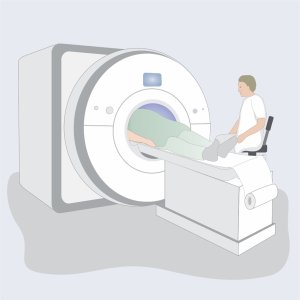
The Safety Investigation Authority, Finland (SIAF) has completed a safety investigation into an incident at a private clinic in Kuopio on 2 January 2025 in which the patient was anaesthetised during an MRI. At the end of the imaging, it was observed that the patient’s condition had deteriorated and they had become lifeless. The patient was resuscitated, but later died in a hospital.
“Safety investigations often mention contributing factors as the cause of an accident. In this case, the amount of anaesthetic agent administered during the MRI examination resulted in a situation equivalent to general anaesthesia. In addition, oxygen flow in the oxygen mask was too low and this had a negative impact on the patient’s condition. An MRI-compatible monitor required to monitor the patient’s basic vital signs was not available and the patient’s deteriorating condition was not noticed in time. The medical centre had not prepared appropriately for an emergency and there was a delay in starting advanced cardiac life support (ACLS), ”, explains Expert Mikko Virtanen.
Healthcare workers have a lot of responsibility
“This investigation highlights the challenges of self-supervision and the high level of trust that people have in the professional competence and ethics of health care when health services are provided. However, systematic client and patient safety assurance and risk management will fail without clear agreement on roles and responsibilities. The purpose of self-supervision in social and health care services is to ensure the quality and safety of the services. Risk assessment, documentation and monitoring are key elements,” says Investigator in Charge Hanna Tiirinki.
The entire system is responsible for ensuring safety
Tiirinki continues: “NORA activities have become more common in different environments, but no uniform national instructions or clear minimum requirements have been defined for them. This has led to varying practices, which increases client and patient safety risks.”
“Furthermore, no comprehensive and up-to-date national information is available on NORA procedures, which makes it more difficult for the supervisory authority to form an overall picture of the services. Interpretation of the fairly new Act on the Supervision of Healthcare and Social Welfare Services has been challenging for the supervisory authority, which means that service providers have also not received sufficient guidance on the application of the Act in self-monitoring and practical measures.With regard to NORA, we need to examine the multi-operator environment and the entire “chain” in order to ensure safe services. The Safety Investigation Authority contributes to ensuring safety throughout the system by issuing recommendations,” states Tiirinki.
The recommendations issued by the Safety Investigation Authority focus on developing self-supervision, specifying the safe implementation of NORA activities, and improving data collection in private social and health care.
Dr. Hanna Tiirinki
Chief Safety Investigator,
Social- and Healthcare
firstname.lastname@om.fi