
Safety Investigation to Provide Tools for Improving Safety of Conscripts
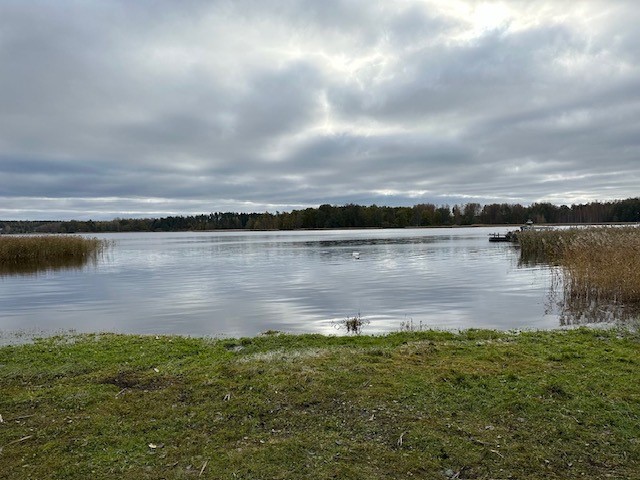
An accident occurred in the Dragsvik garrison of the Nyland Brigade on Tuesday 10 October 2023, in which nine conscripts ended up in deep water after leaving the landing craft. One of them was seriously injured, but is now recovering. The seriously injured conscript was carrying out voluntary military service for women. Like the others in the craft, she had entered service in July.
The conscripts who ended up in the water were coastal jaegers. Coastal jaegers are navy infantry troops trained to operate in coastal and archipelago conditions.
For now, the Safety Investigation Authority has studied the course of events through interview and accident site visits. At the same time, the craft involved in the accident and the equipment of the conscripts have been examined.
The accident
At the time of the accident, the brigade’s traditional beret march of the coastal jaegers was on-going at the garrison. The exercise had lasted for over a day. The marching route included various tasks at control points. When the accident occurred, the march was about to end at the shore at the garrison.
The navy landing craft transported the conscripts to a distance of 10–15 metres from the shore, where the final task was to exit the craft quickly and wade ashore. The coxswain aimed to stop the craft at the same place as during the previous march in the spring. The landing point had been inspected in advance with other coxswains. In the previous years the march had ended at a different shore, however.
When the craft had reached approximately the right location, the coxswain ordered the conscripts to remove their life jackets and exit the craft. The conscripts took their equipment and jumped into the water.
Immediately after exiting the craft, the conscripts noticed that their feet could not reach the bottom at the landing site. Due to the heavy equipment and the exhaustion caused by the heavy exercise, swimming was nearly impossible. The equipment included a tactical vest, flak jacket, helmet, backpack with e.g. sleeping equipment and spare clothing, as well as an assault rifle.
The leader of the exercise was monitoring the task on the shore, meaning that the leader saw the chaotic situation and that the conscripts were in trouble. The leader entered the water to assist those in the water. However, the conscripts quickly noticed that one of them was missing. It took several minutes before the leader of the exercise and the recently rescued conscripts who had started to assist were able to find the conscript who had sunk deep down and bring the conscript back up. An ambulance arrived at the scene at the same time when the severely injured conscript was brought ashore, and provision of professional first aid was started.
Further measures and purpose of the investigation
The investigation by the Safety Investigation Authority will continue with interviews, echo sounding of the shape of the sea bottom, determining the course of the rescue activities as well as studying the written materials and risk management practices. The aim of the investigation is to find ways to improve the safety of conscript service.
SIAF will issue safety recommendations upon completion of the investigation – planned for the spring of 2024.
The Safety Investigation Authority is tasked with improving public safety and preventing accidents. The safety investigation does not address questions of guilt or compensation.
Further information
Investigator-in-Charge Kai Valonen, tel. +358 2951 50707
Investigation decision
Y2023-03 Conscripts falling into water in Dragsvik on 10 October 2023
Investigation report
Y2023-03 Conscripts falling into water in Dragsvik on 10 October 2023