
Assessment: Airplane’s contact with tug at low speed at Helsinki-Vantaa Airport on 19 December 2025
05.03.2026
19.12.2025
05.03.2026
Aviation (L)
The Safety Investigation Authority Finland (SIAF) has completed an assessment into an incident that occurred at Helsinki-Vantaa Airport on December 19, 2025, when an Airbus A320 contacted the tug while moving forward at slow speed.
EVENTS
The SAS A320 (EI-SIL) was departing on a service to Copenhagen. After normal preflight preparations, the tug operated by Airpro ground handling company pushed the airplane from the stand to the taxiway at about 1530. The tug driver then disconnected the tug from the nose landing gear and backed the tug for a distance of a few meters. He got out of the tug, went to the nose gear and connected the headset to communicate with the flight crew. On returning to the tug to move it away from the airplane, he found it immobilized. While walking toward the airplane to reconnect the headset he noticed that the airplane started rolling forward. He ran to a position in front of the airplane to give a “stop” signal, but the right nosewheel contacted the tug before the airplane was brought to a halt. The flight was canceled and the passengers were bussed to the terminal.
The incident did not result in injuries to personnel or damage to equipment. The course of events was verified from airplane recorders and airport surveillance camera footage. The persons involved were also interviewed.
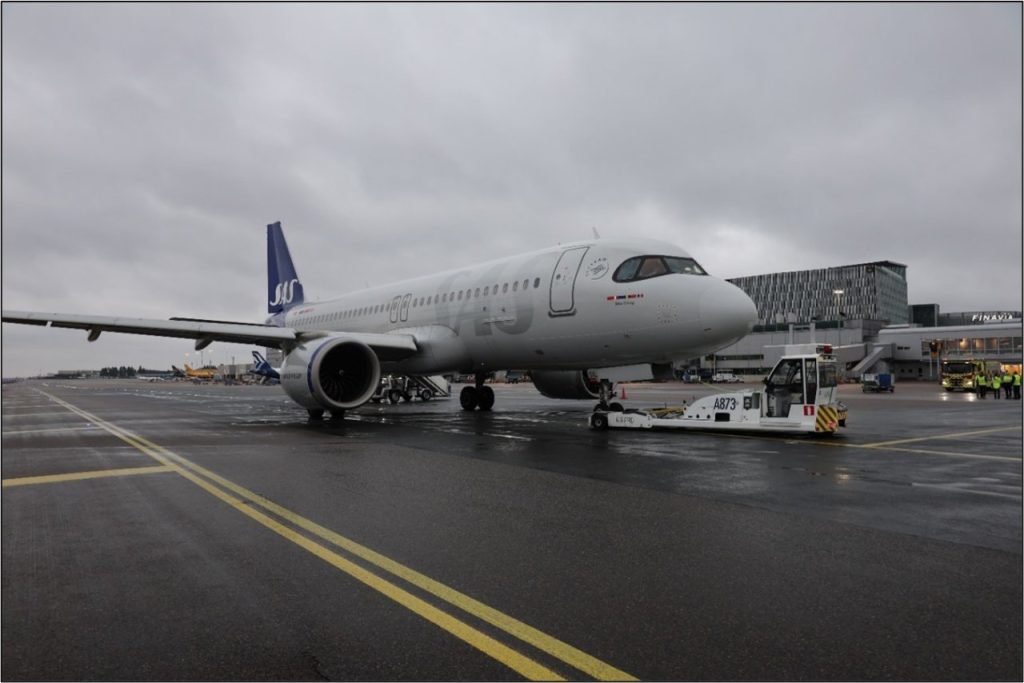
Figure 1. The airplane in contact with the tug. (Photo: SIAF)
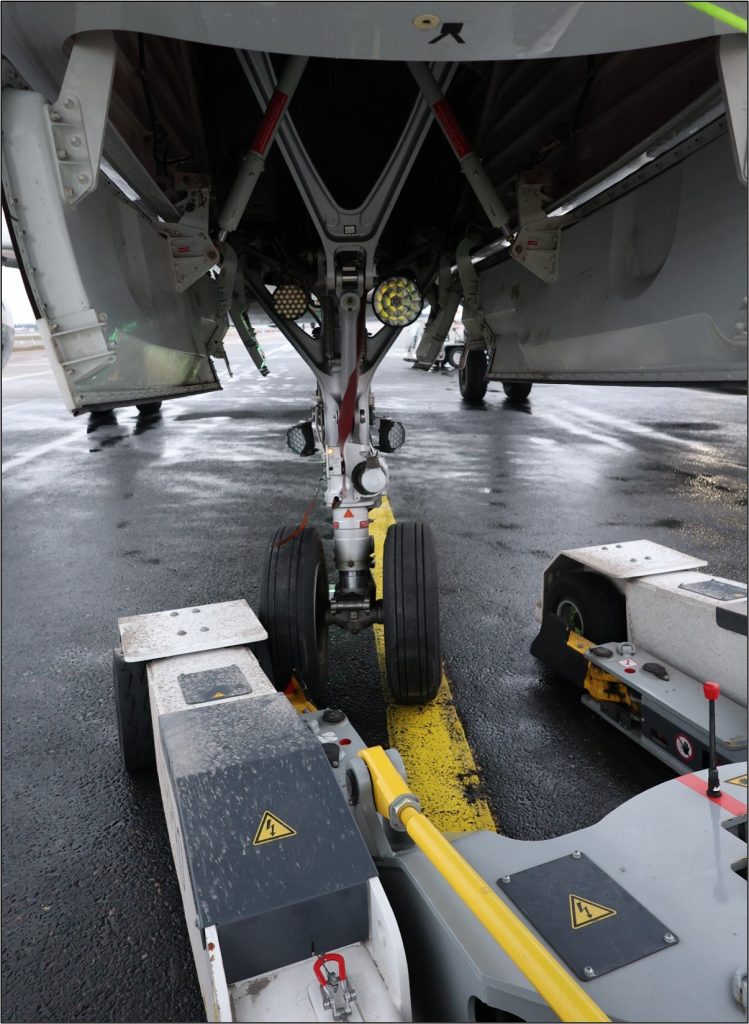
Figure 2. The right nosewheel contacted the tug. (Photo: SIAF)
BACKGROUND INFORMATION
The standard tug disconnect procedure involves verbal communication between the driver and flight deck crew about setting the airplane parking brake and removal of the nose gear steering bypass pin. After receiving clearance from the flight deck crew, the driver disconnects the headset and returns to the tug to position it to one side of the airplane. He then gives the final thumbs up to the flight crew to indicate that they can begin taxiing.
FINDINGS
At the time the driver disconnected the tug, the flight crew was focused on running the after-start checklist. The disconnected tug was parked under the airplane’s nose and therefore not visible from the cockpit. Because the flight crew did not see the tug on either side of the airplane, and a “NW STRG DISC [1] ” message was not displayed in the cockpit, they assumed that the tug had been driven away. A factor was that the pilots’ experience from other airports had shown that the tug may be removed without the “all clear” sign from the driver.
A post-incident examination of the tug revealed no technical anomalies. The well-experienced driver had operated the tug involved in the incident only rarely because it was Airpro’s sole example of the type at the airport.
Adherence to standard operating procedures is essential for the maintenance safety; and conversely, non-compliance with procedures may result in incidents.
After assessing the incident, the SIAF elected not to initiate a full safety investigation into the occurrence because it was decided that it would not provide significant additional safety information.